

NYC.EU
Your guide to
prepare your stay
in New York City
Welcome to NYC.eu which is a tourism guide dedicated to New York, you will find a lot of information on places to visit and their history. The resources at your disposal will allow you to plan your stay according to your cultural interests or if you prefer to choose among the different stays proposed according to the number of days of your trip in New York.
Top 3
must-see in new york City
- The Edge
 The Edge is more than just an observatory: it’s an experience. Visiting The Edge offers a truly memorable experience for tourists and locals alike. Overview of the programme, tips & tricks, plus practical information about the…
 - Summit One Vanderbilt
 Summit One Vanderbilt is located in midtown Manhattan, across from Grand Central Terminal. A visit to the observatory will show you the most beautiful views of New York City in many ways. From the top of…
 - One World Trade Center
 One World Trade Center, what you need to know The One World Trade Center tower is the tallest skyscraper in the southern hemisphere and the sixth tallest in the world. It is a long and elegant…


- 9/11 Workshop MuseumMoving. That, in a nutshell, is how to sum up a visit to the 9/11 Workshop Museum, often dubbed New York’s “smallest big museum”, a place that is both modest and powerful. It is one of…
- Guggenheim Museum
 The Solomon R. Guggenheim Museum in New York is the first and largest of a series of museums in various countries operated by the Solomon R. Guggenheim Foundation. All of these museums follow the original idea…
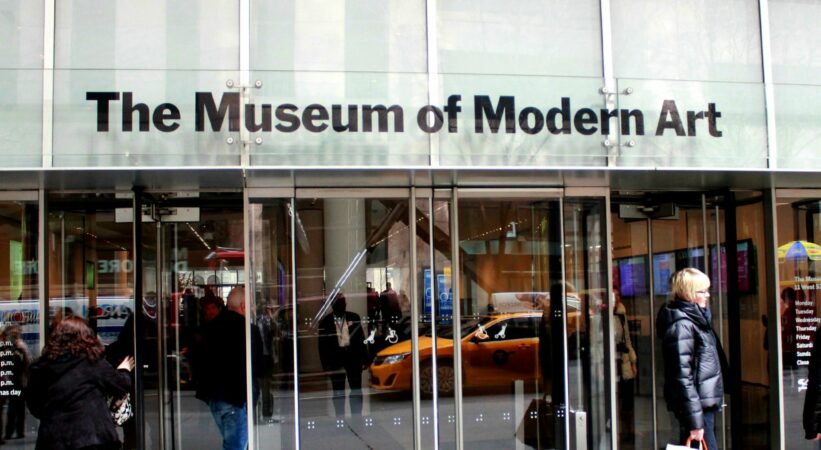
 - Museum of Modern Art – MoMA
 MoMA is the international reference for all things modern art. Located in Manhattan, the Museum of Modern Art in New York was inaugurated in 1929 and contains over 150,000 works of art, as well as nearly…


- Rise NYDon’t miss this not-to-be-missed experience on your next Big Apple getaway! Discover the magic of New York in a whole new way with a visit to RiseNY. Immerse yourself in the city’s history and fly over…
- Central Park zooEscape the hustle and bustle of New York and treat yourself to a soothing break at Central Park Zoo. Perfect for families, this charming 2.6-hectare zoo will delight young and old alike. Soak up the serene…
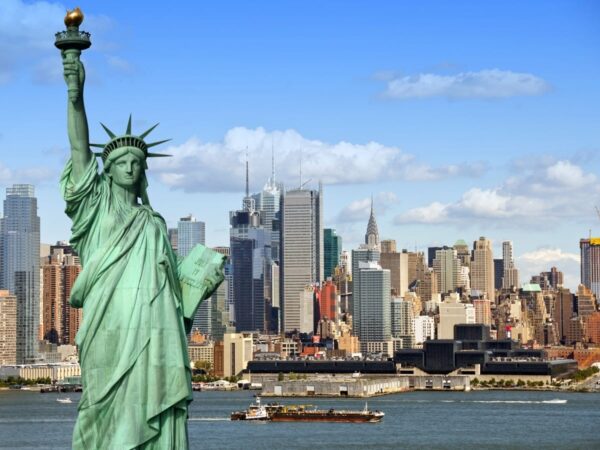
- Statue of Liberty
 The Statue of Liberty is the foremost symbol of the United States, the national monument. This magnificent statue, which defends all the values associated with its name, has become one of New York’s main tourist attractions….


- Little Island
 The incredible floating park Little Island is a must-see destination for travelers in search of something new and different. Suspended over the Hudson River, New York’s floating island is a futuristic and captivating green setting. Visitors…
 - High Line ParkNew York is a city full of must-see places, from iconic buildings to historic monuments and landmarks, “The Big Apple” allows you to discover different facets of the city, most of which are steeped in history….
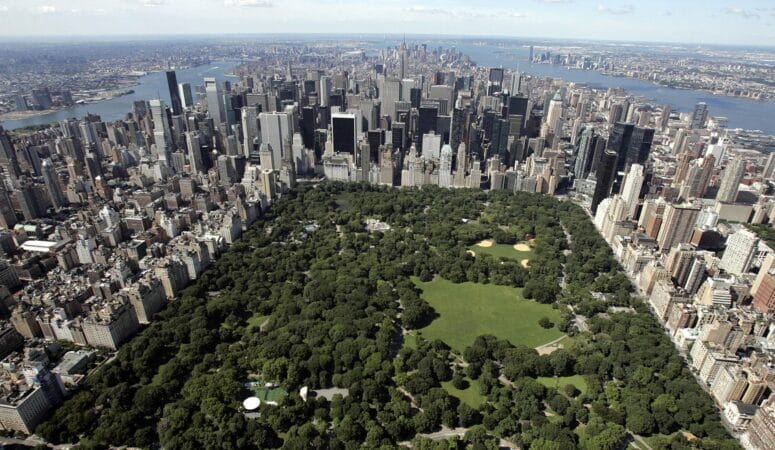
- Central Park
 Central Park is often called the green lung of New York. This green park in the heart of Manhattan is neither the largest nor the most original in the largest American city. However, it has always…










As one of the world’s most touristy cities, New York City welcomes visitors from all over the world every year. Find out how to save money when you visit!
THE LATEST
Deals for visiting New York City
Looking for information on how to get the best deals when you visit NYC?
- Watch a baseball match in New YorkConsidered America’s national pastime, baseball is much more than just a sport in the United States: it is a true symbol of American culture and history. In New York, this passion takes on an even more spectacular dimension. The vibrant, cosmopolitan city provides an ideal stage for baseball matches, attracting fans from all over the…
- Watch a hockey match in New YorkDo you know nothing about ice hockey and are you wondering whether you should go and see a New York Rangers match at Madison Square Garden? First of all, you should know that seeing a hockey match at MSG is an incredible experience, whatever your knowledge of the rules. The players have to get a…
- Watch a NBA game in New York
 You’ve heard of the NBA, everyone has told you to go and see a game. That’s normal, because the NBA in the US is more than just a basketball game. The NBA is undoubtedly the best basketball league in the world, so it’s a must for basketball fans. But that’s not all, as many people…


They loved it!
This city is beautiful. Thank you for all the tips and tricks you shared to save time.
Clément R., Globetrotter
They did it!
We visited New York in 5 days. A marathon, but realistic thanks to the good deals…
Élise B., parisienne convaincue
ANTICIPATE!
Book before you go
Free
Guide
Receive a free copy of the Guide : “The 10 must-see placed in New York” !


